
On-Demand Hot Water Heater Install in Oakley, CA: Guide
An on-demand hot water heater install in Oakley, CA succeeds or fails on three numbers: how much gas or electric power the house can feed it, how much hot water you run at once, and how hard your water is.
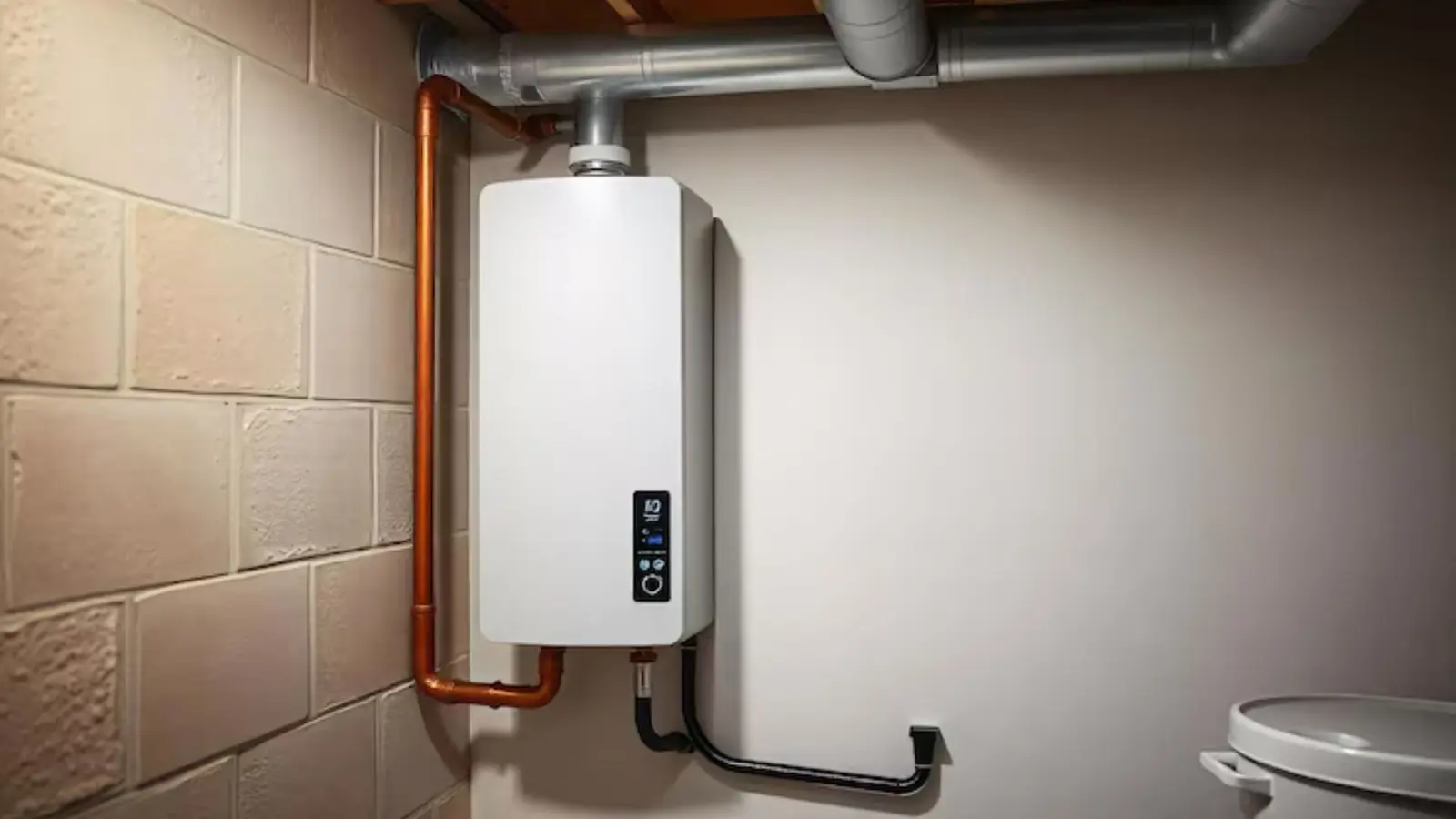
An on-demand heater, also called a tankless unit, heats water only while a tap is open, so it has no storage tank to lose heat or run empty. The trade is that it needs a lot of energy in a short burst.
Below we walk through the capacity checks that come before any purchase, a table comparing what gas and electric models demand from your house, the install steps in order, and the upkeep plan that keeps the unit running.
Capacity checks to finish before you buy
Most failed tankless projects were decided by a unit chosen before these checks were done.
A gas unit draws far more fuel than a storage heater, and the existing pipe or meter may be too small. A plumber measures the run length and adds up everything on the line.
An electric whole-house model can need several large breakers at once. Your panel may have to be upgraded before it fits.
Count the fixtures that run together on a busy morning, such as two showers and a dishwasher. The unit must deliver the temperature rise you want at that flow.
Reusing existing pipe locations saves work, but a new location may need new gas, water and drain connections.
A long pipe run means a long wait for hot water, which may call for a recirculation loop.
What each fuel type asks of your house
Gas and electric models both heat on demand but load the building in very different ways.
Ask for the numbers on paper: the BTU input, the gas line size and the breaker rating the model needs. Those three figures make quotes easy to compare and keep surprises off installation day.
| Requirement | Gas on-demand unit | Whole-house electric unit |
|---|---|---|
| Main utility upgrade | Possibly a larger gas line or meter | Possibly a bigger panel and heavier wiring |
| Install disruption | Gas piping, venting and a condensate path | Electrical circuits, little or no venting |
| Flow at high demand | Generally keeps up with multiple fixtures | Can struggle with colder incoming water at high flow |
| Regulation to watch | Air District emission rules for new gas units | Electrical permit and load calculation |
| Who does what | Plumber and gas-qualified tradespeople | Plumber plus a licensed electrician when the panel changes |
Want to know whether your gas line and panel can support an on-demand heater? Book a capacity check first.
Call (855) 575-2890From old tank to hot tap: the install steps
A typical swap follows a fixed order. The crew shuts the water and fuel supply, drains and removes the old tank, and mounts the new unit on the wall. They connect the cold and hot lines with service valves on each side, which later allow flushing, then connect the fuel line and any required exhaust.
After the connections are tested for leaks, the unit is powered up, programmed to your target temperature and run through a flow check. A final walk-through shows you the display, error codes and the shutoff points.
- Isolate water and fuel, then drain the old tank
- Mount the unit, add isolation valves and a pressure relief path
- Connect fuel or power and test every joint
- Commission, set temperature and show the owner the controls
The cold-water sandwich and how to live with it
If you shut a hot tap off briefly and reopen it, you can get a slug of cold water between two hot ones. It happens because the pipe still holds cooled water and the unit takes a few seconds to restart. A recirculation line or a small buffer tank reduces the effect, and a modern unit with a smaller minimum flow can help.
Ask the installer to explain which options your model supports and whether they require an extra return line. A recirculation pump on a timer is a common approach for homes with a long run to the bathrooms.
Plan on checking the inlet screen as well, since a clogged filter looks like a failing heater when it is only restricting flow. Both tasks fit comfortably into a single annual visit.
A descaling plan keeps the warranty useful
Minerals settle inside the heat exchanger over time. Service valves let a plumber circulate a mild descaling solution through the unit once a year, or as the manufacturer directs. Skipping this is the quiet reason many tankless heaters lose output.
Ask what your manual requires for warranty, and keep a log of each flush. For installation scope and unit choices, see our tankless water heater page, and for the full swap process look at water heater installation.
Oakley hardness, air rules and permits
Tap water from Diablo Water District averages 124 mg/L of hardness (about 7 grains per gallon), within a reported range of 87 to 150 mg/L. That is enough dissolved mineral to coat a heat exchanger over time, so plan an annual flush and ask the manufacturer what water-quality limits apply to your unit.
A gas on-demand unit falls under the Air District's zero-NOx schedule, which lists January 1, 2027 as the start for smaller new units. As of late October 2026, draft amendments would delay compliance to January 2028, and the Board was scheduled to consider them on November 4, 2026, so confirm the adopted date with the Air District before you order.
Permit applications go through the City of Oakley's online permitting system. Only City staff can say whether your particular install needs one.
One more local habit helps: before the crew arrives, clear a path to the old heater and tell them where the gas shutoff and electrical panel are. Hunting for either slows the whole job down.
Frequently asked questions
Sometimes, but not always. A plumber adds up every gas appliance and checks the pipe size and length. A larger line or meter may be needed before the unit can reach full output.
Often not without work. Whole-house electric models draw heavy current, so an electrician checks the panel capacity and may recommend an upgrade.
A straightforward swap is often a day of work, while gas, electrical or recirculation changes add time. Your plumber can give a schedule after the capacity check.
Ask the City first. Rules differ by project, so describe the fuel type and the unit location when you phone the City, and get the answer before ordering equipment.
It depends on your usage pattern and house capacity. A household that runs many fixtures at once may need a larger unit, and hard water makes upkeep part of the plan.
Nearby Brentwood homes sit on a different water system, so hardness there will not match the Oakley figure. Our Brentwood page covers that area, and the service area page shows which other towns we visit.
Share your fixtures and your current heater location, and we will map out an install plan with the price stated up front.
Call (855) 575-2890