
Sewer Camera Inspection in Oakley, CA
Sewer camera inspection in Oakley, CA lets you see the inside of your lateral before you decide on a repair, a sale or a purchase.
It is a planned visit, scheduled when it suits you.
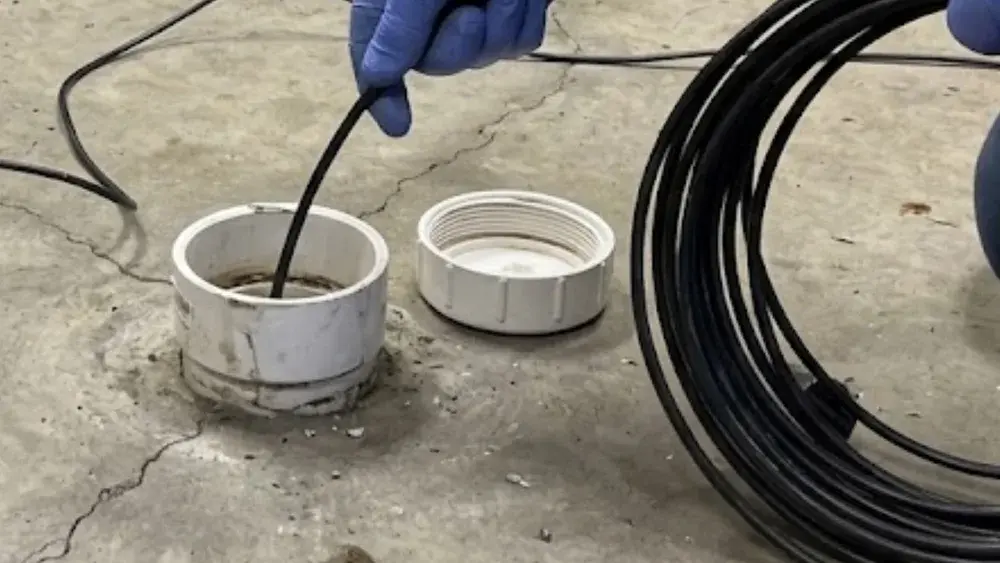
A sewer camera inspection feeds a waterproof camera on a flexible rod through a cleanout and records the pipe from the house to the Ironhouse Sanitary District sewer. The video shows cracks, roots, offset joints, low spots and buildup, and a locator can mark the pipe's path and depth at the surface.
This page explains when a camera visit is worth booking, what the report does and does not show, and the district rules that make a CCTV inspection mandatory in some situations.
My toilets gurgle and there is a smell, but nothing has backed up yet
Gurgling, slow drains in more than one room or a faint sewer smell outside can appear weeks before a real backup. The cause could be a partial blockage, a root intrusion or a dip in the pipe that holds water.
The technical term for finding out which is a sewer camera inspection. It replaces guessing with a recorded view of the lateral, so you can act before the line stops.
When the Ironhouse Sanitary District requires a CCTV inspection
The district requires the owner to have the lateral and main inspected by CCTV and to obtain a Compliance Certificate in several situations. These include the sale of a property more than 20 years old, a building permit of 25,000 dollars or more with no inspection in the prior 20 years, and a sanitary sewer overflow caused by the private line.
Unpermitted work discovered, a change of use, a subdivision, a qualifying sewer lateral service call, and replacement or significant repair of the lateral also count. Details are in District Ordinance No. 65, and the office at 925-625-2279 can tell you whether your situation qualifies.
If you are buying or selling, ask your agent early, because the inspection and certificate take time. The same video can serve as your own record of the pipe's condition. A camera report documents conditions against what the California Plumbing Code (the UPC family of codes), expects of a drain and sewer line.
Booking before a sale or a remodel gives the district paperwork and any repair decisions time to line up.
Call (855) 575-2890What happens during a camera visit
We start at your cleanout, or at a removed toilet if there is none. The camera head, lit by LEDs, is pushed down the pipe while a monitor shows the live view, and the footage is recorded. The operator calls out features as they appear and notes the distance from the access point.
If the line has standing water or heavy buildup, the camera can only see so far. A drain cleaning or jetting pass first may be needed, and we will tell you if that applies. A locator at the surface can then trace the camera's transmitter to mark where the pipe runs and how deep it sits.
Afterward you receive the footage and a plain-language summary of what we saw and where. We do not decide for you. We explain what each finding means and what the options are.
What a useful inspection report should show
A recording alone is not much help without notes. Ask that the report identify these points.
Clay, cast iron, plastic and other materials fail in different ways, so identification shapes the advice.
Cracks, offset joints and root entry should each be logged at a measured distance from the access point.
A belly that holds water appears on camera as a pool in a section of pipe, and it explains repeat clogs.
The locator marks show where the pipe runs, which matters for any later digging or lining.
Any section the camera could not pass should be stated, so you know what remains unseen.
When a camera visit makes sense
A camera is a diagnostic tool, not a repair, so it earns its cost in particular situations. This table lists the most common ones.
| Situation | Why a camera helps | Best timing |
|---|---|---|
| Buying a home | Shows hidden defects before closing | During the inspection period |
| Selling a property more than 20 years old | May be required by the district, and the certificate takes time | Before listing |
| Repeat clogs | Reveals roots, belly or a cracked joint behind the pattern | Right after the next clearing |
| Planning a remodel or landscaping | Locates the lateral so work avoids it | Before digging |
| Considering lining or replacement | Defines the extent of damage and the right method | Before choosing a method |
What the camera can and cannot tell you
A camera shows the interior of the pipe along the path it can travel. It does not measure soil conditions, test pressure or guarantee that a line will not fail next year. A clean video on one day is a snapshot.
Findings are reported factually, and any repair suggestion is a recommendation, never a requirement beyond the district's own rules. If damage appears, our sewer line repair page explains the options, including trenchless lining. If private sewer work is planned, the district requires plans by a California civil engineer, so we point that out early.
What affects the cost of a sewer camera inspection
A camera visit is priced by the work involved. You get a clear price before work starts, so the number is settled before the camera goes in.
- Access to the line. A cleanout makes the visit quick. Pulling a toilet to get in takes longer.
- Length of the lateral. Longer runs take more time to record and note.
- Cleaning needed first. Heavy buildup or standing water may need clearing before the camera can see.
- Locating and marking. Tracing the pipe's path and depth adds a step to the visit.
- Report and footage. A written summary with distances and a copy of the recording takes extra time to prepare.
Insurers generally do not pay for inspections done for a sale or curiosity, but a camera recording can support a claim after sudden damage, so ask your insurer what documentation it wants. Keep the footage with your home records.
Call (855) 575-2890 to book a time, and we will explain what the visit will include.
Frequently asked questions
A small camera on a flexible rod goes through a cleanout while a monitor shows the pipe. We record the footage and note any defects with their distance.
Yes, a locator tracks the camera's transmitter from above ground and marks the path and depth. That helps before landscaping or any excavation.
Often yes. Gurgling can mean a partial blockage, roots or a low spot, and a camera finds the cause before a full backup. If the line is dirty, it may need clearing first.
No. It is diagnostic, and repair is a separate step. Our sewer line cleaning page covers what happens when a blockage is found.
The Ironhouse Sanitary District requires a CCTV inspection and Compliance Certificate when a property more than 20 years old is sold. Call the district at 925-625-2279 to confirm how it applies to you.
It depends on access, line length and cleaning needs. We give a realistic time when you book.
Pick a time that suits you, and we will bring the camera, the locator and a plain summary of what the pipe shows.
Call (855) 575-2890